



Car Dashboard Symbols and Meanings: What Every Driver in Orlando Needs to Know
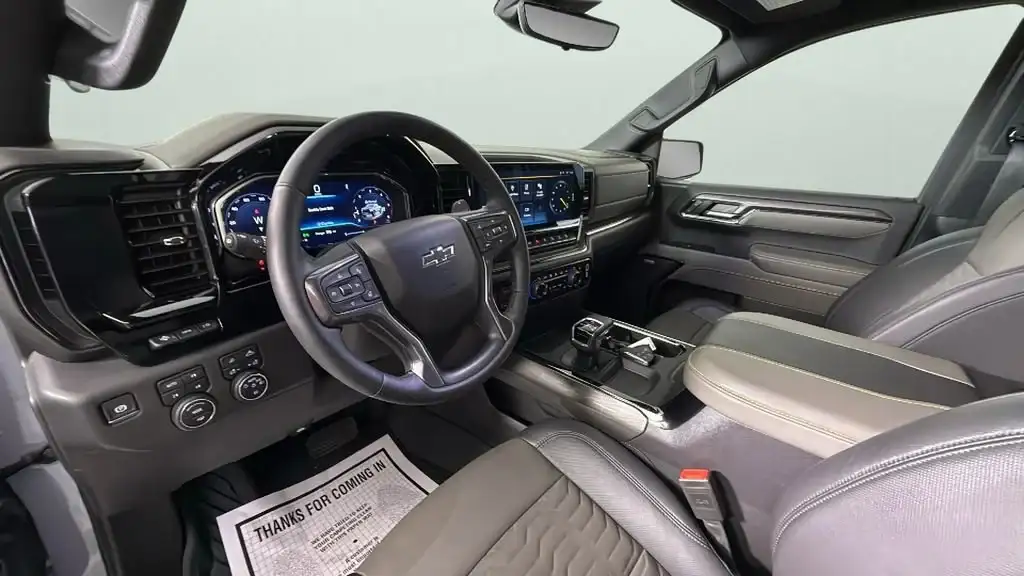
Know your car dashboard symbols before they leave you guessing — Starling Chevrolet Certified Service, 13155 S Orange Blossom Trail, Orlando, FL 32837.
A small warning light appears on your dashboard mid-commute — and suddenly you’re not sure whether to pull over immediately, call a mechanic, or keep driving and hope it goes away. For most drivers, that moment of uncertainty happens more than once. Dashboard symbols are designed to communicate with you, but they only help when you understand what they’re actually saying.
This guide breaks down the most important car dashboard symbols and their meanings, organized by urgency level — so you know exactly whether to stop now, book a service appointment this week, or simply acknowledge that a system is working as intended. Whether you’re driving a Chevrolet Equinox through Hunters Creek, a Silverado along the turnpike toward Lake Nona, or any other vehicle across the Orlando metro, these symbols follow the same universal logic.
Red Dashboard Symbols — Stop and Act Immediately
Red is the highest-priority color on any dashboard. These symbols signal active problems that can cause significant damage if ignored, even briefly.
Engine Oil Pressure Warning (red oil can icon): This means your engine is not receiving adequate oil pressure. Oil pressure failure can cause serious engine damage within minutes. If this light appears while driving, pull over safely as soon as possible, shut off the engine, and check the oil level with the dipstick. Do not continue driving until the cause is identified.
Engine Coolant Temperature Warning (red thermometer in liquid): Your engine is overheating. Florida’s summer heat and stop-and-go traffic make this more likely than many drivers expect, especially when the AC is running hard. Pull over, turn off the engine, and allow it to cool completely before opening any coolant reservoir caps. Never remove a radiator cap from a hot engine.
Battery Warning (red battery icon): Your vehicle’s charging system — typically the alternator, battery, or related wiring — is not functioning correctly. The battery is losing charge rather than replenishing it while you drive. You may have limited time before the vehicle loses power. Head directly to a service center rather than making additional stops.
Brake System Warning (red exclamation point in circle, or the word BRAKE): First, confirm your parking brake is fully released. If it is and the light remains on, your brake fluid may be low or there is a fault in the hydraulic brake system. This is not a symbol to defer — brakes are safety-critical, and a service inspection should happen as soon as possible.
Amber Dashboard Symbols — Schedule Service Promptly
Yellow and amber warnings don’t require you to stop immediately, but they do mean something needs professional attention — typically within days, not months. Ignoring them consistently is how small issues become expensive repairs.
Check Engine Light (yellow/amber engine outline): The most searched dashboard symbol for good reason — it can signal anything from a loose fuel cap to a misfiring cylinder to a failing sensor. The light itself doesn’t tell you what’s wrong; only a diagnostic scan of your vehicle’s OBD system reveals the stored fault codes. At Starling Chevrolet’s Certified Service center, technicians can read those codes and give you a clear, specific diagnosis rather than a guess.
TPMS — Tire Pressure Monitoring System (yellow tire with exclamation point): One or more tires has dropped below the recommended pressure. In the Orlando area, tire pressure fluctuates more than many drivers realize — temperature swings between an air-conditioned parking garage and hot afternoon asphalt can cause a 3–5 PSI drop. Inflate your tires to the spec printed on the sticker inside the driver’s door jamb (not the number on the tire sidewall). If the light stays on after inflating, a slow leak may be present.
Traction Control / StabiliTrak Warning (car with wavy lines beneath): Your vehicle’s electronic stability system detected wheel slip and made a correction. Seeing this light flash briefly during rain or on a slick surface is normal. If the light stays on continuously, the traction control or StabiliTrak system itself may have a fault that warrants service.
Service / Wrench Icon (yellow wrench or “Service Vehicle Soon”): On Chevrolet vehicles, this indicates a scheduled maintenance interval is due — most commonly an oil change or tire rotation. Not an emergency, but a reminder that routine service keeps the vehicle performing correctly and prevents the amber symbols above from appearing unexpectedly.
Blue and Green Dashboard Symbols — Informational Status
Not every dashboard symbol is a warning. Blue and green indicators confirm that certain systems are active — they require no action unless you want them off.
- High Beam Indicator (blue headlight icon with horizontal rays): Your high beams are engaged. A helpful reminder when approaching oncoming traffic on unlit roads outside Orlando.
- Turn Signal Indicators (green left or right arrows): Your turn signal is active. Rapid flashing usually means a bulb has burned out on that side.
- Door Ajar (car silhouette with an open door section): One or more doors — including the liftgate on SUVs and trucks — is not fully latched. Check all entry points before highway driving.
- Seatbelt Reminder (seated figure with diagonal strap): A seatbelt in the vehicle is not fastened. The audible chime that accompanies it follows the same cue.
If a blue or green symbol appears unexpectedly and doesn’t match any of the above, your Chevrolet owner’s manual has a complete reference by model — or a quick call to Starling’s service team at (407) 917-5348 can clarify it in moments.
How to Respond When a Warning Light Comes On
The color tells you the urgency level, and your response should match it:
- Red: Pull over when it is safe to do so. Turn off the engine. Contact a service center before continuing to drive.
- Amber/Yellow: Don’t ignore it. Book a service appointment within a few days — what starts as a sensor fault can escalate into a more serious mechanical issue if left unchecked.
- Blue/Green: Identify the system. Take action only if needed (deactivate high beams, close a door, buckle a seatbelt).
One practical habit: take a photo of the warning symbol with your phone before it turns off. It’s easy to forget the exact icon once you’re out of the car, and a photo helps the service advisor identify the exact fault faster. For Chevrolet owners across Orlando and surrounding communities, the quickest path to answers is to schedule a service appointment at Starling Chevrolet’s Certified Service center.
Starling Chevrolet Certified Service — Diagnostics and Maintenance in Orlando
Dashboard warning lights that connect to brakes, oil, battery, or the check engine system are exactly what the Certified Service team at Starling Chevrolet diagnoses and repairs daily. The dealership is located at 13155 South Orange Blossom Trail, Orlando, FL 32837, serving drivers from Kissimmee, Hunters Creek, Lake Nona, and across Central Florida — with service hours Monday through Friday 7:30 AM to 6:30 PM and Saturday 8:00 AM to 5:00 PM.
Current Certified Service specials (valid through 7/10/2026): a 6-quart ACDelco full synthetic oil change with tire rotation runs $99.95; ACDelco Gold Front Brake Pads installed are $359.95 with a 24-month warranty; ACDelco Gold 30-Month Battery replacement is $199.95 installed. These are among the most common services triggered by the red and amber warning lights covered above. View the full list of current promotions on the Service Specials page.
Call the service line directly at (407) 917-5348 to describe what you’re seeing, or reach the team through the Contact Us page. If a diagnostic reveals a repair that makes you reconsider your current vehicle, Starling’s Instant Cash Offer tool gives you a fast trade-in valuation, and the Finance Center can walk you through competitive financing on new Chevrolet models — so the transition is as straightforward as the service experience itself.
Dashboard symbols don’t go away on their own — but they do give you a head start on addressing whatever triggered them. Now that you know the color codes and what each light means, that head start belongs to you.
Frequently Asked Questions
What does it mean when the check engine light comes on in my Chevrolet?
The check engine light (a yellow/amber engine outline icon) indicates that your vehicle’s onboard diagnostic system has detected a fault. The cause can range from a loose gas cap to a failing sensor or misfiring cylinder. The only way to identify the specific issue is to have the vehicle scanned with a diagnostic tool that reads the stored OBD fault codes. Starling Chevrolet’s Certified Service team can perform this diagnostic — call the service line at (407) 917-5348 or schedule a service appointment online.
Which dashboard warning lights mean I should stop driving immediately?
Red dashboard symbols require the most urgent response. The engine oil pressure warning (red oil can), engine coolant temperature warning (red thermometer), battery warning (red battery), and brake system warning (red exclamation point or BRAKE) all indicate conditions that can cause serious damage or safety issues if driving continues. If any of these appear, pull over safely, turn off the engine, and contact a service center before resuming your drive.
Why does my TPMS light keep coming on even after I inflate my tires?
If the tire pressure monitoring system (TPMS) light remains on after inflating all tires to the recommended PSI (found on the sticker inside the driver’s door jamb), one tire may have a slow leak, a TPMS sensor may need recalibration, or a sensor battery may have failed. In the Orlando area, temperature swings between shaded parking and hot outdoor surfaces can also cause pressure fluctuations. A quick inspection at Starling Chevrolet’s service department can identify the root cause.
How do I know if a dashboard symbol is a warning or just informational?
Color is the clearest indicator. Red symbols signal active problems requiring immediate attention. Amber or yellow symbols indicate conditions that need service soon but don’t require stopping immediately. Blue and green symbols are informational — they confirm a system is active (high beams on, turn signal engaged, door ajar) and generally require no mechanical action. When in doubt, consult your Chevrolet owner’s manual or call Starling Chevrolet at (407) 917-5348.
0 comment(s) so far on Car Dashboard Symbols and Meanings: What Every Driver in Orlando Needs to Know